- Responsibility
- Materials & Design
Focus on the life cycle of our products
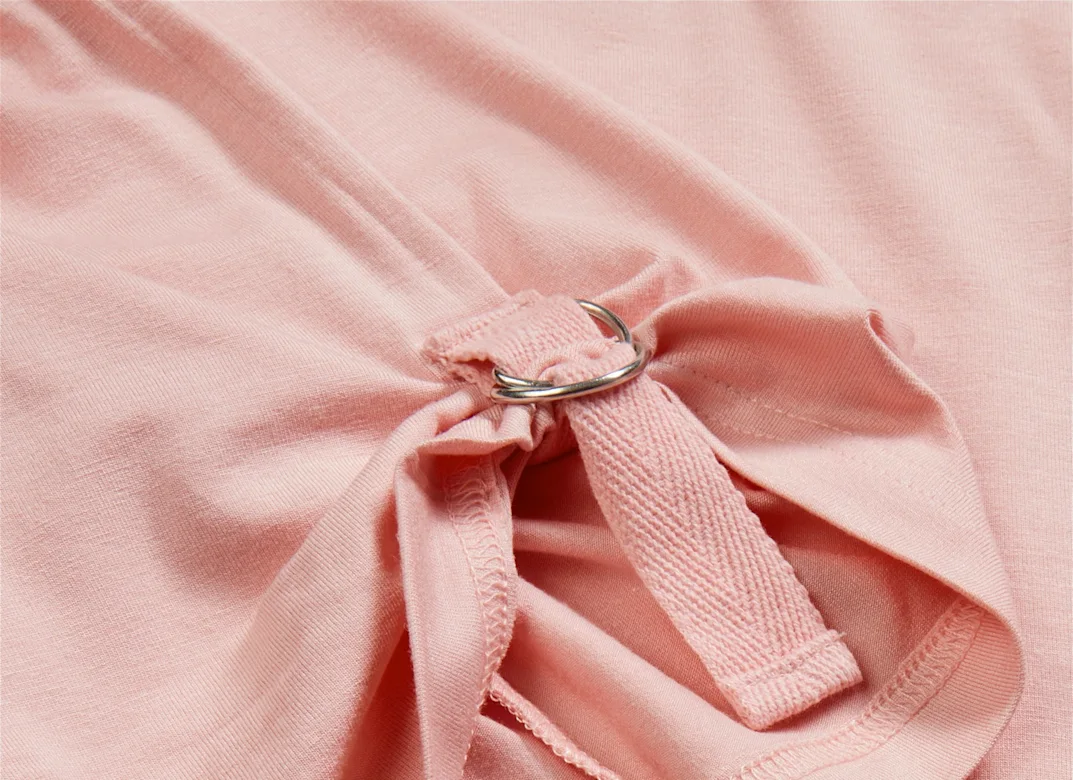
Design is at the heart of our work: the materials we use and how they are processed not only influence the quality and comfort of our products. They also largely determine the ecological footprint.
Fibres & Materials
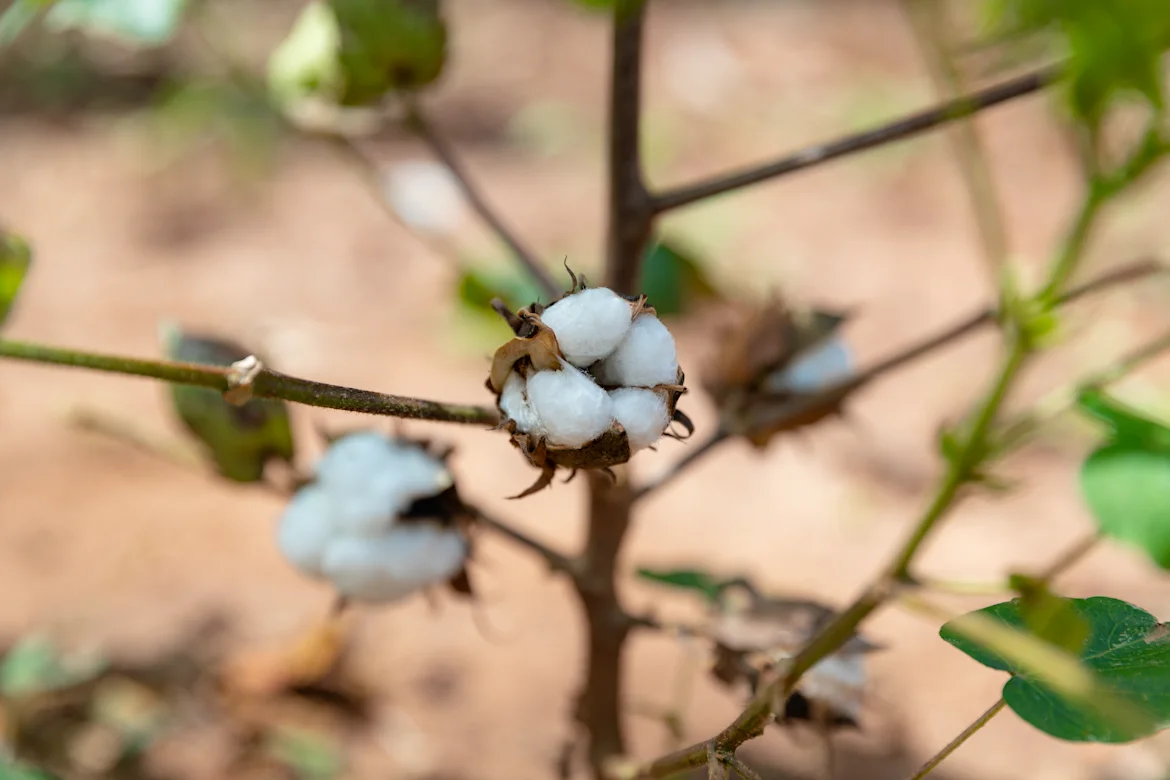
Cotton is our favorite - and our most popular fiber
In the 2023 collection year, we used 58% renewable fibres such as cotton, viscose, lyocell, linen and wool. Cotton is the most important fibre, accounting for around 44%. That is why we have had a special focus on this fibre for years: we source all of our cotton from organic or recycled sources in cooperation with the Cotton made in Africa initiative. Our fibre strategy also focuses on viscose from certified wood and recycled synthetic fibres.
We are one of the biggest supporters of the Cotton made in Africa Initiative
The Cotton made in Africa (CmiA) initiative is committed to improving the living conditions of smallholder farmers in sub-Saharan Africa. Through training, CmiA helps farmers to establish resource-saving cultivation methods and increase their yields at the same time. In particular, the initiative promotes gender equality. In ecological terms, CmiA favours sustainable cultivation without genetically modified seeds, reduces the use of pesticides and protects soil fertility.
Holz aus zertifizierter Forstwirtschaft
Im Geschäftsjahr 2025/26 kamen 79 % der verwendeten Viskose- und Lyocell-Fasern aus FSC©- oder PEFC-zertifizierten Holzquellen. Wir verwenden für ausgewählte Produkte Holz oder Papier aus Forstwirtschaft mit FSC©-Zertifizierung. Der Standard weist unter anderem nach, dass die Hölzer nicht illegal geschlagen wurden oder aus besonders schützenswerten Wäldern stammen.
Recycelte Materialien
Im Geschäftsjahr 2025/26 stammten 33 % unserer synthetischen Fasern aus Recyclingquellen. Wir setzen recycelte Materialien vor allem bei synthetischen Fasern wie Polyester und Polyamid ein, um den Einsatz von Primärrohstoffen zu reduzieren. Dafür werden bestehende Materialien wie PET-Flaschen oder Produktionsreste wiederaufbereitet.
Better packaging
Our shipping boxes are made from FSC®-certified cardboard. Our shipping bags bear the Blue Angel seal as a sign of particular environmental friendliness, as they contain at least 80% plastic made from post-consumer recyclate. By the end of 2025, all of our polybags should also consist of at least 80% recycled material.
Wir verzichten auf Pelz, Angora, Mohair und Horn
For more animal welfare
The majority of our shoe and bag range is labelled as animal-friendly with the PETA Approved Vegan certificate: of shoes and 95% of bags are made without animal ingredients and are therefore vegan. We have been a member of the "Fur Free Retailer" programme since 2014. We also set clear standards for other animal materials. These and other requirements are defined in our "Business Partner Declaration on Sustainability": We only use leather as a by-product of the food industry and categorically reject angora from angora rabbits. In the case of down, we make sure that it does not come from live plucking or foie gras production. Mulesing practices on sheep are not permitted. From 2028, we will only use 100% certified down, feathers, sheep's wool, alpaca and cashmere.
Leinen aus europäischem Flachs
Leinen wird aus der Flachspflanze gewonnen. Ein Teil der von uns genutzten Flachsfasern stammt aus europäischem Anbau, der ohne künstliche Bewässerung und ohne den Einsatz von gentechnisch verändertem Saatgut auskommt.
Circular Design

It all starts with the design
In order to create a recyclable product, the right course must be set at the beginning of the life cycle. Large prints and material blends make recycling more difficult. So that the textile cycle can eventually close, we do what we do best: Creating fashion.
Our Circular Collection remains beautiful for a long time and can then be easily recycled
Our Circular Collection focuses on the design process in order to develop durable and recyclable styles. The design criteria are based on the Circular Design Criteria from circular.fashion and comprise three pillars: Materials made from healthy, renewable and/or recycled raw materials, durability and recyclability. We have been regularly creating Circular Collection capsule collections since 2023. In the next step, we plan to implement the design approaches for suitable styles across the entire range.
Our Cradle to Cradle Certified® Denim according to the new 4.0 standard
In 2025, we became the first fashion company worldwide to receive the Cradle to Cradle Certified® Silver Full Product certification according to Standard 4.0 for our recyclable denim products. The standard focuses on five key areas: material health, product circularity, clean air and climate protection, water and soil management, and social justice. This makes it one of the most demanding certifications on the market. Our first Cradle to Cradle Certified® denims hit the shops in October 2025.